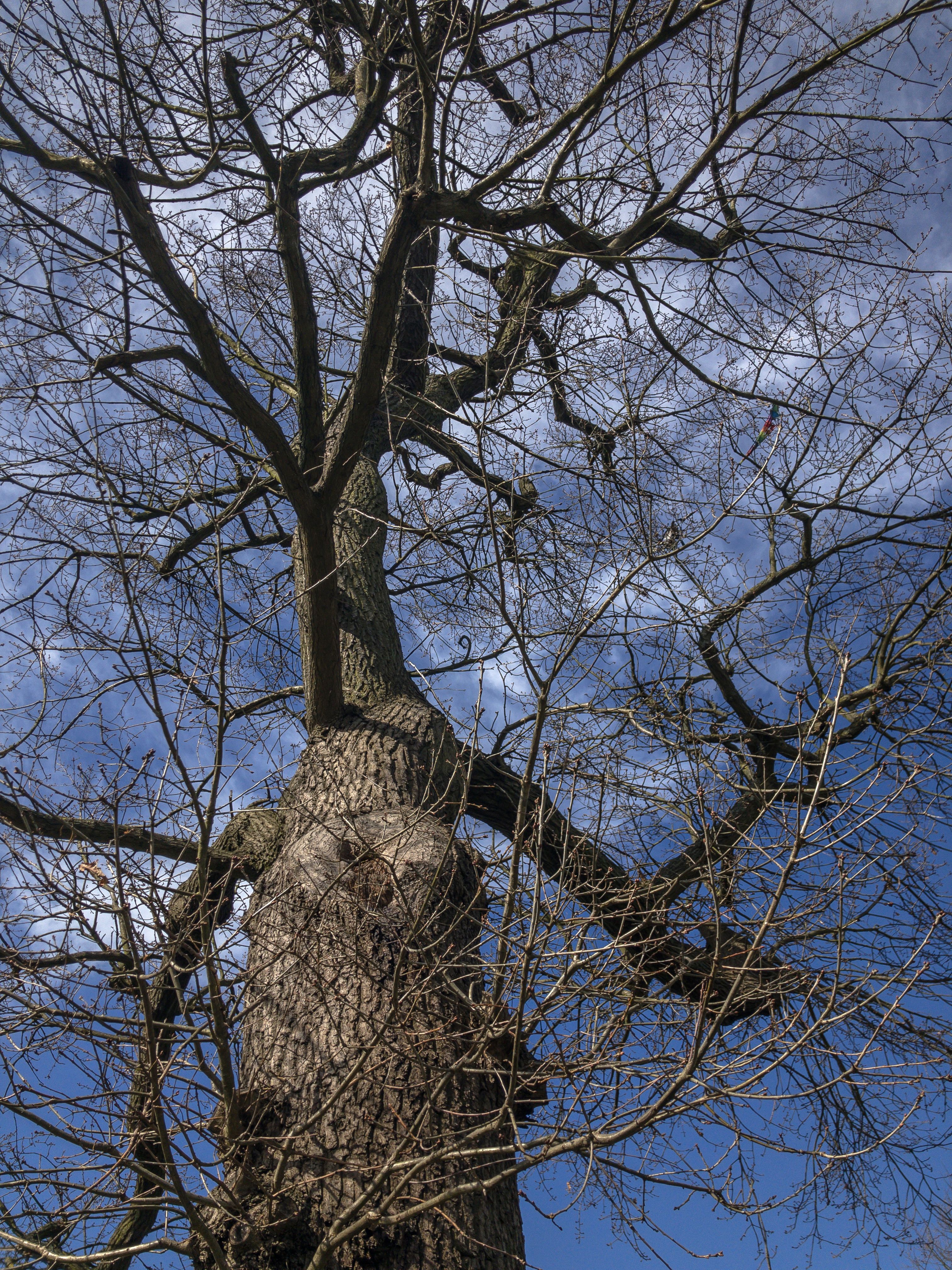
Protecting North London's Urban Forest
Trees in North London face environmental stresses including urban soil compaction, climate swings, and imported pests or fungal pathogens. Recognizing early warning signs allows arborists to treat conditions or perform safety pruning before severe structural loss occurs.
1. Oak Processionary Moth (OPM)
Affected Species: Oak trees (Quercus).
Symptoms: Silken white webbing nests on trunks and main branches, accompanied by defoliated leaves. OPM caterpillars pose serious public health risks due to microscopic stinging hairs that cause severe skin rashes and asthma flare-ups.
Management: Professional removal by certified arborists using protective equipment, reported to the Forestry Commission.
2. Ash Dieback (Hymenoscyphus fraxineus)
Affected Species: Ash trees (Fraxinus excelsior).
Symptoms: Blackened, wilting leaves in mid-summer, diamond-shaped lesions on stems, and dieback of the upper crown foliage. Affected trees become extremely brittle and require careful, timely dismantling.
3. Massaria Disease (Splanchnonema platani)
Affected Species: London Plane trees (Platanus x hispanica).
Symptoms: Large dead strips along the upper surface of major branches, leading to sudden limb failure over footpaths and roads.
4. Bracket Fungi & Trunk Rot (Ganoderma, Inonotus)
Symptoms: Hard shelf-like fungal fruit bodies appearing on the trunk base or root flare. Fungi digest internal wood lignin and cellulose, causing internal decay while the outer canopy appears deceptively healthy.
When to Request a Professional Tree Inspection
If you notice unusual leaf discolouration, premature leaf drop, fungal growth, or peeling bark on trees on your property, a formal health diagnosis is essential. Explore our Pests & Diseases Diagnosis service or contact North London Trees for an arborist inspection.